Two metal oxides, examined on their optics, their chemistry and their limits
What zinc oxide and titanium dioxide actually do, why the absorb against reflect story is a simplification, what particle size changes, what the nano labelling rule requires, and why white cast is physics rather than a formulation failure.
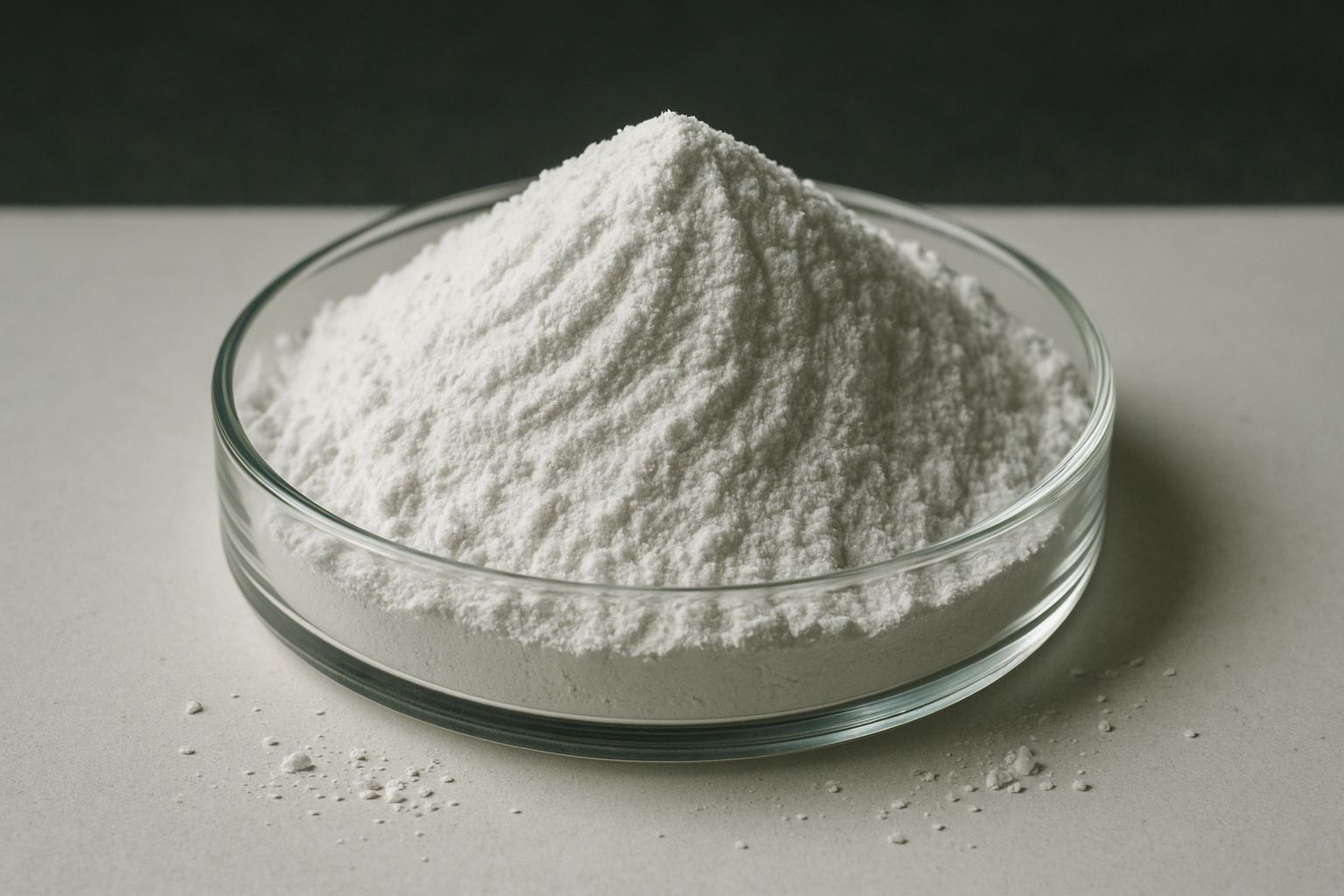
What zinc oxide actually does in a sunscreen
Zinc oxide is a semiconductor that absorbs ultraviolet across its band gap. What that means for coverage, for texture and for the rest of the formula.
What titanium dioxide actually does in a sunscreen
Titanium dioxide is the strongest white pigment in industrial use and a competent UV filter. The two facts are connected, and they explain both its strengths and its problems.
Zinc oxide and titanium dioxide, compared on what actually differs
The two permitted mineral filters are not interchangeable. They differ in spectrum, in whiteness, in formulation behaviour and in the questions still open about them.
Absorb against reflect: the simplification taught to every shopper
Mineral filters reflect, chemical filters absorb. It is the tidiest explanation in skincare and it does not survive measurement of what mineral films actually do.
Particle size: the variable that decides how a mineral sunscreen looks and works
Nothing else in a mineral formulation changes as much with one number. Particle size governs whiteness, ultraviolet performance, dispersion stability and the whole nano question.
Nano and non nano: what the labelling rule actually requires
A nanomaterial in a cosmetic must be identified in the ingredient list. What that marker means, what it does not mean, and why non nano is a marketing term rather than a legal one.
The nanoparticle safety questions, separated into the settled and the open
Dermal application of nanoscale metal oxides to intact skin has been assessed repeatedly. Inhalation, damaged skin and environmental fate are where the live questions sit.
The white cast problem, and why the physics makes it hard to solve
White cast is not a formulation failure. It is the same optical property that makes these materials useful, expressed at visible wavelengths, and it can be reduced but not eliminated.
Why mineral formulations are so much harder to make elegant
Suspending a high loading of dense inorganic particles in a stable emulsion that spreads well is one of the harder problems in cosmetic formulation. Here is what makes it hard.
Mineral sunscreen and darker skin tones: a formulation problem, not a preference
A pale scattering veil is far more visible against deeper skin. That is optics, and the usual remedy creates a shade range problem that the category has handled badly.
The quantity problem: how a cosmetic complaint becomes a protection gap
Sun protection factor is measured at an application density heavier than most people use. In the mineral category, the reasons to apply thinly are stronger.
Editorial disclosure. This article contains no commercial links. Nothing on it has been paid for, no company has been given sight of it, and no brand or product is named anywhere on this site. This publication takes no money from sunscreen or skincare companies at any price, and the reasons are set out in what we refuse to sell. Published independently.
The dispatch
A monthly note: what has been published, what has changed in a claim's status, and one piece of working. It carries a single clearly labelled sponsor line, at a published rate that cannot influence any status recorded here. Unsubscribe whenever you like.
Your address is used for the dispatch and nothing else. See privacy.