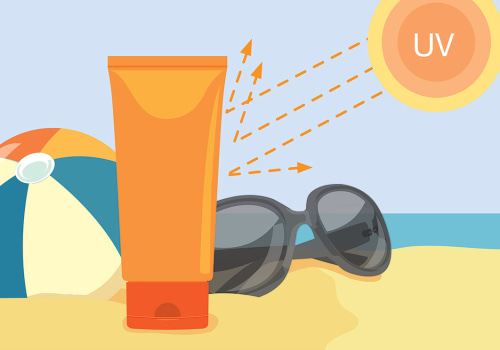
Understanding the concept of SPF, or Sun Protection Factor, is essential for anyone who wishes to maintain healthy skin. SPF is a measure of how well a sunscreen can protect the skin from harmful ultraviolet (UV) rays emitted by the sun. These rays are primarily responsible for sunburn, skin damage, and an increased risk of skin cancer. As we become more aware of the long-term effects of sun exposure, the importance of incorporating effective sun protection into our daily skincare routines cannot be overstated.In essence, SPF acts as a shield against UV radiation, which can penetrate the skin and lead to premature aging, pigmentation issues, and even more severe conditions like melanoma.
The significance of using products with adequate SPF extends beyond just sunny days; UV rays can still cause damage on overcast days or during winter months. Therefore, integrating a reliable SPF into your skincare regimen is crucial for safeguarding your skin's health throughout the year.Moreover, the role of SPF in skincare goes beyond mere protection. Many modern formulations not only provide a barrier against UV rays but also incorporate nourishing ingredients that enhance skin health. This dual functionality makes it easier for individuals to prioritise sun safety without compromising on their skincare goals.
As we delve deeper into the world of SPF natural ingredients, it becomes clear that these components can offer both protective and restorative benefits, making them an ideal choice for those seeking holistic skincare solutions.Ultimately, understanding the importance of SPF in skincare is about recognising that prevention is always better than cure. By taking proactive steps to protect our skin from sun damage, we can enjoy healthier, more radiant skin for years to come. This foundational knowledge sets the stage for exploring how natural ingredients can enhance our sun protection strategies.
The Shift Towards Natural Ingredients in Skincare
In recent years, there has been a remarkable transformation in the skincare industry, with a pronounced shift towards the use of natural ingredients. This change is largely driven by an increasing consumer awareness regarding the potential adverse effects of synthetic chemicals commonly found in many skincare products.As individuals become more informed about what they apply to their skin, they are actively seeking alternatives that are not only effective but also safe and environmentally friendly.The rise of organic skincare trends can be attributed to several factors. Firstly, the growing concern over health and wellness has prompted consumers to scrutinise product labels more closely. Many are now opting for formulations that boast natural origins, free from harmful additives such as parabens, sulfates, and artificial fragrances. This shift is not merely a trend; it reflects a deeper understanding of how certain ingredients can impact both skin health and overall well-being.Moreover, the demand for transparency in ingredient sourcing has never been higher.
Consumers are increasingly interested in knowing where their products come from and how they are made. Brands that prioritise ethical sourcing and sustainable practices are gaining traction, as they resonate with a more conscientious audience. This has led to a proliferation of brands that focus on natural ingredients , often highlighting their commitment to sustainability and eco-friendliness.Another significant aspect of this movement is the recognition of the benefits that natural ingredients can offer. Ingredients derived from plants, minerals, and other organic sources often come with additional skincare benefits beyond mere moisturisation or sun protection.
For instance, many natural oils are rich in antioxidants, vitamins, and fatty acids that nourish the skin while providing protection against environmental stressors.Furthermore, the efficacy of these natural components is being supported by scientific research, which validates their use in skincare formulations. Ingredients like aloe vera, shea butter, and essential oils have been shown to possess healing properties that can enhance skin health significantly.As this trend continues to evolve, it is clear that consumers are not just looking for products that work; they want products that align with their values and lifestyle choices. The shift towards natural ingredients in skincare signifies a broader cultural movement towards holistic health and wellness, where individuals take an active role in caring for their skin with products that reflect their personal beliefs.
What Are SPF Natural Ingredients?
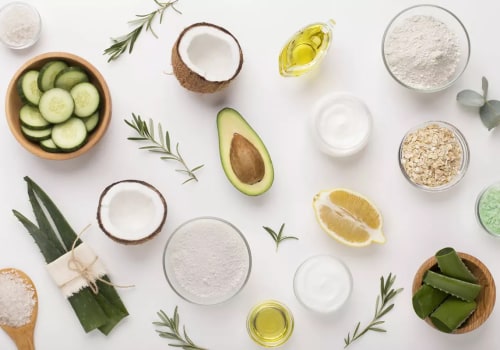
SPF natural ingredients refer to components derived from nature that provide sun protection factor (SPF) benefits, primarily through physical means. Unlike their chemical counterparts, which absorb UV radiation, natural SPF ingredients typically act as barriers that reflect and scatter harmful rays away from the skin.This distinction is crucial for consumers seeking safer and more environmentally friendly options in their skincare routines.There are two primary categories of sunscreens: mineral and chemical. Mineral sunscreens, also known as physical sunscreens, contain active mineral ingredients such as zinc oxide and titanium dioxide. These minerals sit on the skin's surface and create a protective barrier against UV rays. On the other hand, chemical sunscreens contain organic compounds that absorb UV radiation and convert it into heat, which is then released from the skin. . Mineral sunscreens, also known as physical sunscreens, contain active mineral ingredients such as zinc oxide and titanium dioxide. These minerals sit on the skin's surface and create a protective barrier against UV rays. On the other hand, chemical sunscreens contain organic compounds that absorb UV radiation and convert it into heat, which is then released from the skin.
While both types can be effective, many consumers prefer mineral sunscreens due to their gentler formulation and lower risk of skin irritation.
Common Natural SPF Ingredients
- Zinc Oxide: A widely used mineral sunscreen ingredient known for its broad-spectrum protection against UVA and UVB rays. It is also praised for its soothing properties, making it suitable for sensitive skin.
- Titanium Dioxide: Another mineral option that provides effective sun protection. It is often found in formulations designed for sensitive skin types due to its non-irritating nature.
- Raspberry Seed Oil: This oil is rich in antioxidants and has been shown to offer some natural SPF properties, making it a popular choice in organic skincare products.
- Carrot Seed Oil: Known for its high beta-carotene content, carrot seed oil is believed to provide a natural level of sun protection while also nourishing the skin.
- Green Tea Extract:Green Tea Extract: While not a traditional sunscreen, green tea extract contains polyphenols that can help protect the skin from UV damage and reduce inflammation.
Benefits of Using SPF Natural Ingredients
Utilising SPF natural ingredients in skincare products presents a multitude of benefits that cater not only to skin health but also to overall well-being.As consumers become increasingly aware of the ingredients in their skincare, the advantages of opting for natural SPF components are becoming more pronounced.One of the primary benefits of using natural SPF ingredients is their gentleness on the skin. Unlike synthetic chemicals, which can often lead to irritation or allergic reactions, natural ingredients are typically derived from plants and minerals, making them less likely to provoke adverse effects. For individuals with sensitive skin or conditions such as eczema, this gentler formulation can be a game-changer.In addition to being kinder to the skin, many natural SPF ingredients offer additional skincare properties. For instance, zinc oxide is not only an effective physical sunscreen but also possesses anti-inflammatory properties that can help soothe irritated skin.
Similarly, ingredients like shea butter and coconut oil provide moisturising benefits while offering some level of sun protection. This dual action means that users can enjoy hydration alongside sun safety, streamlining their skincare routine.Moreover, natural SPF ingredients are often rich in antioxidants , which play a crucial role in combating free radicals generated by sun exposure. Ingredients such as green tea extract and raspberry seed oil are packed with antioxidants that not only protect against UV damage but also help in preventing premature ageing. By incorporating these ingredients into your daily regimen, you can enhance your skin's resilience against environmental stressors.Another significant advantage is the environmental impact of using natural SPF ingredients.
Many conventional sunscreens contain chemicals that have been shown to harm marine life and coral reefs. In contrast, natural alternatives tend to be biodegradable and less harmful to aquatic ecosystems. By choosing products with natural SPF components, consumers can contribute to a more sustainable approach to skincare.In summary, the benefits of using SPF natural ingredients extend beyond mere sun protection. They offer a gentler alternative for sensitive skin, provide additional skincare benefits, and promote environmental sustainability.
As awareness grows around these advantages, it is likely that more individuals will seek out products that harness the power of nature for effective sun protection.
Key Natural Ingredients with SPF Properties
When it comes to harnessing the power of nature for sun protection, several key ingredients stand out for their remarkable SPF properties. These natural components not only shield the skin from harmful UV rays but also offer additional skincare benefits, making them invaluable in the realm of natural skincare.Zinc Oxide: The Mineral Marvel
Zinc oxide
is perhaps the most well-known natural ingredient with SPF properties. This mineral acts as a physical sunscreen, creating a barrier on the skin that reflects and scatters UV radiation. Unlike chemical sunscreens, which absorb UV rays, zinc oxide provides broad-spectrum protection against both UVA and UVB rays.One of the standout benefits of zinc oxide is its anti-inflammatory properties.
It is particularly beneficial for those with sensitive or acne-prone skin, as it helps to calm irritation and redness. Additionally, zinc oxide is non-comedogenic, meaning it won’t clog pores, making it suitable for all skin types.Moreover, zinc oxide has been shown to aid in the healing of minor skin irritations and sunburns, further enhancing its role in skincare. Its ability to protect against environmental pollutants also makes it a great choice for urban dwellers exposed to daily stressors.
Raspberry Seed Oil: The Antioxidant Powerhouse
Raspberry seed oil
is another exceptional natural ingredient that boasts impressive sun protection capabilities. Rich in essential fatty acids and antioxidants, this oil not only nourishes the skin but also provides a natural SPF estimated between 28 to 50.The high levels of alpha-linolenic acid (omega-3) and linoleic acid (omega-6) found in raspberry seed oil help to maintain the skin's moisture barrier while promoting elasticity.
This makes it an excellent choice for those looking to keep their skin hydrated and youthful.Additionally, raspberry seed oil is packed with antioxidants such as vitamin E and phytosterols, which help combat free radicals generated by UV exposure. This dual action of providing sun protection while fighting signs of aging makes raspberry seed oil a valuable addition to any skincare routine.
Other Notable Natural Ingredients
- Carrot Seed Oil: Known for its rejuvenating properties, carrot seed oil offers a natural SPF and is rich in beta-carotene, which helps improve skin tone and texture.
- Shea Butter: While primarily known for its moisturising properties, shea butter contains a small amount of natural SPF that can provide additional protection against UV rays.
- Coconut Oil: Although not a substitute for sunscreen, coconut oil has a low SPF and can help moisturise the skin while providing some level of protection.
Combining SPF Natural Ingredients with Other Skincare Products
Integrating SPF natural ingredients into your skincare routine can significantly enhance both your sun protection and overall skin health. The key to maximising these benefits lies in understanding how to effectively combine these ingredients with other skincare products.One of the most effective methods is through layering skincare products.This technique allows you to build a comprehensive routine that addresses multiple skin concerns while ensuring adequate sun protection. Here’s how to do it:
- Start with a Cleanser: Begin your routine with a gentle cleanser to remove impurities and prepare your skin for subsequent products.
- Apply a Toner: If you use a toner, apply it next. This step can help balance your skin's pH and enhance the absorption of the following products.
- Moisturiser with SPF: Choose a moisturiser that contains SPF natural ingredients. Look for formulations that include zinc oxide or titanium dioxide, which provide physical sun protection while hydrating your skin.
Ingredients like aloe vera or shea butter can also offer additional moisture and soothing properties.
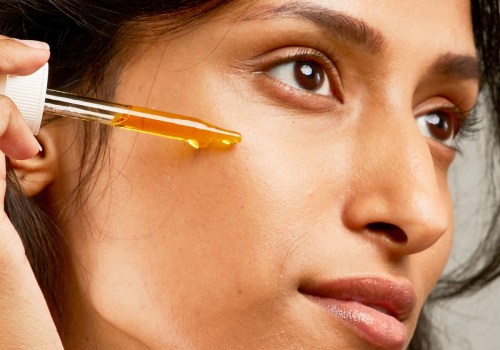
- Serum for Added Benefits: After your moisturiser, consider applying a serum enriched with antioxidants or other beneficial compounds. For instance, serums containing vitamin C can help combat free radicals and enhance your skin's radiance.
- Sunscreen Layer: For those who spend extended periods outdoors, layering a dedicated mineral sunscreen on top of your moisturiser can provide an extra layer of protection. This is particularly important if you have sensitive skin or are prone to sunburn.
Many foundations and tinted moisturisers now include SPF, allowing you to maintain sun protection throughout the day while enhancing your complexion. However, it’s crucial to remember that makeup alone should not replace a dedicated sunscreen application.Ultimately, creating an effective skincare routine that incorporates SPF natural ingredients requires attention to detail and an understanding of how different products interact. By layering wisely and choosing complementary products, you can achieve optimal sun protection while nourishing your skin.
The Importance of Proper Sun Protection Practices
While incorporating SPF natural ingredients into your skincare routine can significantly enhance your sun protection strategy, it is crucial to understand that these products should not replace traditional sun protection practices. The effectiveness of any sunscreen, whether chemical or natural, hinges on proper application and consistent use.One of the most vital aspects of sun protection is the daily application of sunscreen.Dermatologists recommend using a broad-spectrum sunscreen with an SPF of at least 30 every day, regardless of the weather conditions. This is because harmful UV rays can penetrate clouds and reflect off surfaces like water and sand, leading to skin damage even on overcast days.
Reapplication: A Key Component
Reapplying sunscreen is equally important. The American Academy of Dermatology advises reapplying every two hours, or more frequently if you are swimming or sweating. This is essential because even the most effective sunscreens can wear off due to physical activity or water exposure.Reapplying sunscreen is equally important. The American Academy of Dermatology advises reapplying every two hours, or more frequently if you are swimming or sweating. This is essential because even the most effective sunscreens can wear off due to physical activity or water exposure.To make this process easier, consider using a moisturiser or serum that contains SPF natural ingredients, allowing for seamless reapplication throughout the day without disrupting your makeup or skincare routine.
Choosing the Right Products
When selecting products with natural SPF ingredients, look for those that offer broad-spectrum protection against both UVA and UVB rays. Ingredients such as zinc oxide and titanium dioxide are excellent choices as they provide physical barriers against harmful rays while also being gentle on the skin. Additionally, consider products enriched with antioxidants like vitamin E or green tea extract, which can further protect your skin from oxidative stress caused by sun exposure.It’s also essential to apply enough product to ensure adequate coverage. A general guideline is to use about a shot glass full (approximately 30ml) for your entire body.For your face, a nickel-sized amount should suffice. Applying too little can significantly reduce the effectiveness of the sunscreen.In summary, while SPF natural ingredients offer numerous benefits for skin health and sun protection, they should be part of a comprehensive sun safety strategy that includes daily use and regular reapplication of sunscreen. By adhering to these practices, you can enjoy the outdoors while safeguarding your skin from potential damage.
Frequently Asked Questions About SPF Natural Ingredients
As the popularity of SPF natural ingredients continues to rise, many consumers find themselves with questions and concerns regarding their effectiveness and safety. Below, we address some of the most frequently asked questions to help clarify common misconceptions and provide valuable insights.What are SPF natural ingredients?
SPF natural ingredients refer to plant-based or mineral-derived components that provide sun protection.Unlike traditional chemical sunscreens, which often contain synthetic compounds, these natural alternatives harness the protective properties of ingredients like zinc oxide , titanium dioxide , and various botanical extracts. These ingredients not only shield the skin from harmful UV rays but also offer additional skincare benefits.
Are natural SPF products as effective as chemical sunscreens?
Yes, when formulated correctly, natural SPF products can be just as effective as their chemical counterparts. The key is to look for products that offer broad-spectrum protection, meaning they guard against both UVA and UVB rays. Ingredients like zinc oxide and titanium dioxide are particularly effective as they act as physical blockers, reflecting UV rays away from the skin.Yes, when formulated correctly, natural SPF products can be just as effective as their chemical counterparts. The key is to look for products that offer broad-spectrum protection, meaning they guard against both UVA and UVB rays. Ingredients like zinc oxide and titanium dioxide are particularly effective as they act as physical blockers, reflecting UV rays away from the skin.Can I rely solely on SPF natural ingredients for sun protection?
While SPF natural ingredients provide a level of sun protection, it is essential to use them in conjunction with other sun safety practices.This includes wearing protective clothing, seeking shade during peak sun hours, and reapplying sunscreen every two hours or after swimming or sweating. For optimal protection, consider layering a natural SPF product with a dedicated sunscreen.
Are there any myths about natural SPF ingredients?
- Myth: Natural sunscreens do not work for all skin types.
- Fact: While some individuals may experience sensitivity to certain natural ingredients, many formulations are designed to be gentle and suitable for all skin types.
- Myth: Natural SPF products are not safe for children.
- Fact: Many natural sunscreens are formulated specifically for children and are free from harsh chemicals, making them a safer choice for delicate skin.
Conclusion: Embracing Natural Ingredients for Effective Sun Protection
In summary, the integration of SPF natural ingredients into skincare products represents a significant advancement in our approach to sun protection. As we have explored throughout this article, these ingredients not only provide effective shielding against harmful UV rays but also contribute to overall skin health through their inherent properties.One of the most compelling reasons to choose products containing natural SPF ingredients is their reduced likelihood of causing skin irritation.Many traditional sunscreens contain synthetic chemicals that can provoke allergic reactions or exacerbate existing skin conditions. In contrast, natural alternatives such as zinc oxide and titanium dioxide are known for their gentle nature, making them suitable for even the most sensitive skin types.Moreover, the additional benefits offered by these natural ingredients cannot be overlooked. For instance, many of them are rich in antioxidants, which play a crucial role in combating free radicals and preventing premature aging. Ingredients like green tea extract and raspberry seed oil not only provide sun protection but also nourish and rejuvenate the skin, enhancing its overall appearance and vitality.As consumers become increasingly aware of the potential dangers associated with synthetic chemicals, the demand for natural skincare solutions continues to rise.
This shift is not merely a trend; it reflects a deeper understanding of how our choices impact our health and well-being. By opting for products that harness the power of nature, we are taking proactive steps towards healthier skin.In conclusion, embracing SPF natural ingredients in our skincare routines is a wise decision for anyone seeking effective sun protection without compromising skin health. As we move forward in this journey towards more sustainable and health-conscious beauty practices, let us remain vigilant in our quest for products that align with our values and support our skin's needs.Ultimately, the future of skincare lies in the harmonious blend of nature and science, where effective sun protection can coexist with nourishing ingredients that promote long-term skin health. By making informed choices today, we pave the way for a brighter, healthier tomorrow.